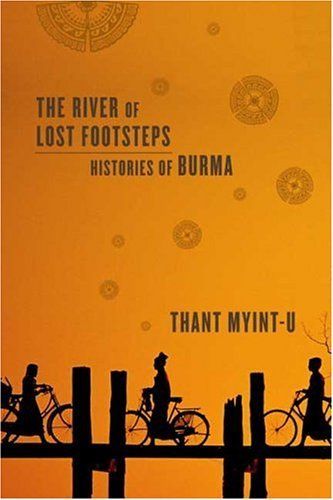
When the prodemocracy uprising was finally crushed, there was a muted international response. The United States, Japan, the United Kingdom, and Germany suspended bilateral aid. But there was no pronounced outcry, certainly not from the general public, in Europe or in North America. Nothing like the reaction to the massacre at Tiananmen Square a year later. There were no calls for United Nations action. No urgent transatlantic diplomacy. Part of the reason was simple: there were no television cameras present in the country at the time. There was no CNN and no nightly news stories showing the depth of popular feeling or the violence that followed. There were no pundits demanding retribution and little attention on Capitol Hill or at Westminster. Much of the uprising had been in late August and early September, just in time for the late summer holidays. But the lack of response wasn't just attributable to the absence of television or to the fact that important people were vacationing in Martha's Vineyard or Tuscany. It was also because Burma was almost entirely unknown. To the extent that it was thought about at all, it had the image of an exotic and dreamy backwater, a gentle Buddhist country, lost in time and quietly isolated, hardly the sort of location for a foreign policy crisis. It was an offbeat tourist destination, unspoiled compared with neighboring Thailand, perhaps even a model of an alternative approach to life, unhurried and without the extremes of modern capitalism and communism. Prodemocracy demonstrations in Burma? It was like hearing about a coup in Shangri-La. What was to be done with a place like that? Book jacket.