In print
Ebook
Audiobook
Library
We may earn a commission. Learn more.
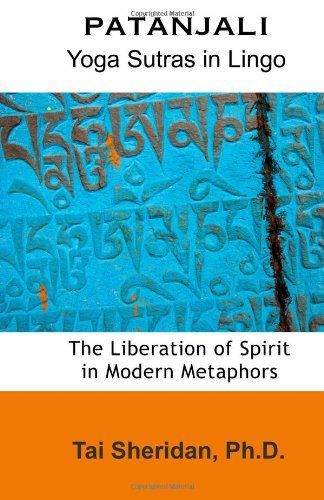
Patanjali: Yoga Sutras in Lingo The Liberation of Spirit in Modern Metaphors
Patanjali's Yoga Sutras teach restraint, wise action, and morality as a path to "The Supreme Lord". Written between 100 BCE and 500 BE, this ancient Hindu text espouses the eight limbs of yoga for realizing the divine. Sanskrit translations tend to be literal and perplexing. Poet and Zen Priest Tai Sheridan's book gives the reader an immediate intimacy between Patanjali and their experience.There are significant contrasts between Hindu and Buddhist philosophy that are apparent when reading Pantanjali's sutras. The most obvious differences are (1) spirit as separate from matter vs. spirit and matter mutually as inter-dependent; (2) a goal oriented spirituality vs. a goalless one; (3) transcendence as the achievement of a spirit entity as opposed to transcendence as an existing ontological state; (4) master of the body-breath-mind vs. letting go of them, and (5) the importance of siddhis (powers) in spiritual development vs. ignoring anything out of the ordinary. These are generalizations to help the reader understand Patanjali.
Reviews
No reviews yet.
Be the first to write one.
Highlights
No highlights yet.
Be the first to share one.