In print
Ebook
Audiobook
Library
We may earn a commission. Learn more.
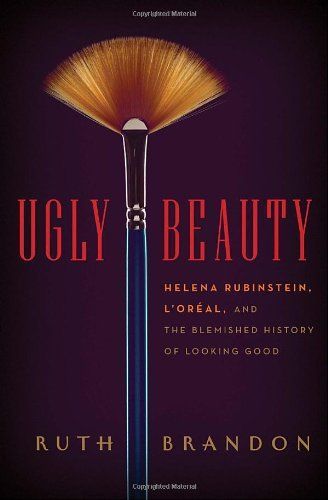
Ugly Beauty Helena Rubinstein, L'Oreal, and the Blemished History of Looking Good
Thanks to a combination of business savvy, breathtaking chutzpah, and lucky timing, Helena Rubinstein managed to transform herself from a poor Polish emigrant to the world's first self-made female tycoon. She went from selling homemade "Cr�me Valaze" out of her house in Australia to becoming an international cosmetics magnate. Tiny and plump, wearing extravagant jewels and spiked heels, she was a fixture of upper-crust New York for many years. She was larger than life, and never took no for an answer: when she was refused from a New York City apartment on the grounds that she was Jewish, she went ahead and bought the whole building and promptly moved in. The story of Eug�ne Schueller and L'Or�al begins in 1907, in a dingy working-class part of Paris, where a young Schueller sat at his family's kitchen table trying to develop the first harmless artificial hair dye. The tale of how L'Or�al went from that point to the world's largest cosmetics company is fascinating and full of intrigue, with a little of everything: fascist assassins, bitter unmaskings, political scandals. In 1988, although Schueller and Rubinstein had long since passed away, their worlds collided when L'Or�al bought Rubinstein's company -- leading to a series of scandals that threw a new and sinister light on L'Or�al. For starters, Rubinstein was Jewish, but Schueller and many other top L'Or�al executives had been active Nazi collaborators. What came to light threatened the reputations of some of France's most powerful men - up to and including its president. This is a powerful, dramatic, and largely untold story about the ugly truth behind a beauty empire.
Reviews
No reviews yet.
Be the first to write one.
Highlights
No highlights yet.
Be the first to share one.